Strategic Entry Timing in Progressive Multi-Event Wagers Through Cross-Discipline Monitoring
Erik Friedrich · Oct 24, 2026
Strategic Entry Timing in Progressive Multi-Event Wagers Through Cross-Discipline Monitoring
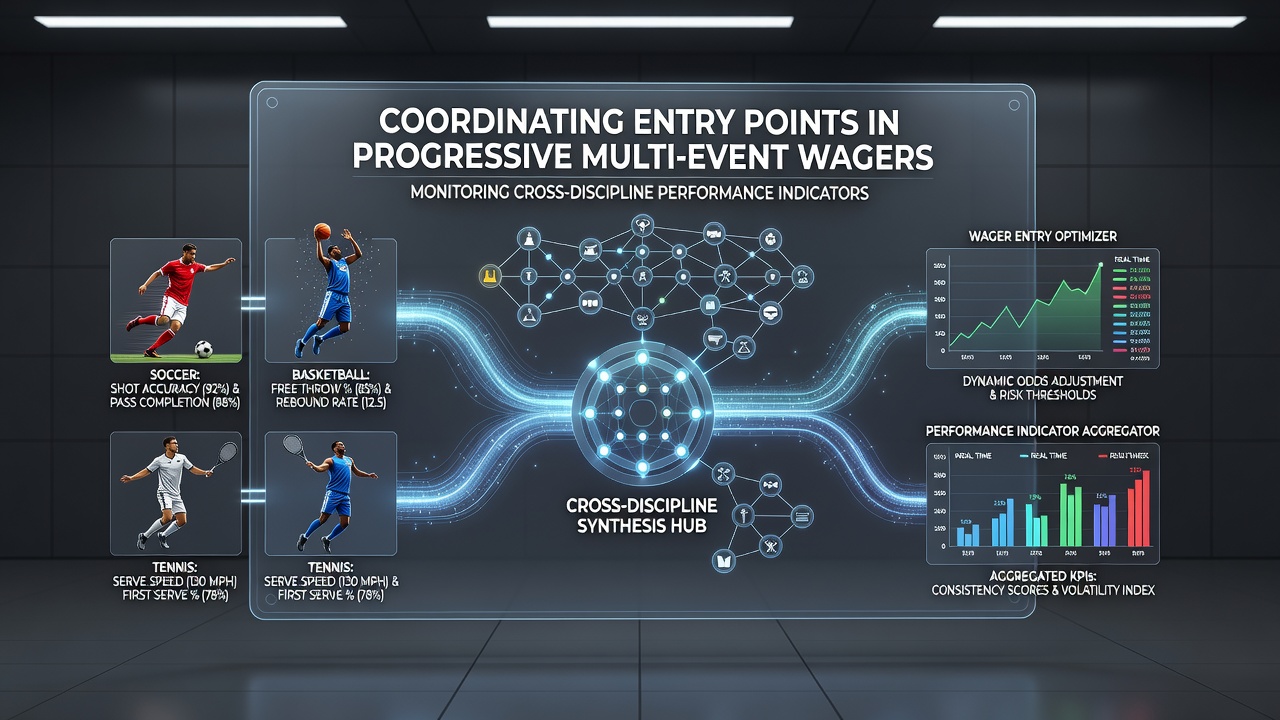
Coordinating entry points in progressive multi-event wagers requires systematic tracking of performance indicators drawn from multiple sports, where data from one discipline informs timing decisions in another. Observers note that bettors often link momentum signals in tennis rallies with pace metrics from horse racing or goal progression patterns in football to determine when to initiate or expand an accumulator sequence. This approach integrates quantitative outputs such as serve percentages, sectional times, and possession efficiency into unified monitoring frameworks.
Core Components of Progressive Multi-Event Structures
Progressive multi-event wagers build returns through sequential legs, and entry coordination hinges on identifying convergence points where indicators from separate fields align. Researchers have documented cases where elevated first-serve win rates in ongoing tennis matches coincide with improved late-race speed figures in thoroughbred events, prompting adjusted stake allocation across linked accumulator positions. Data from industry reports indicate that such alignments occur at measurable frequencies during overlapping competition schedules.
Performance Indicators Across Disciplines
Cross-discipline monitoring draws on standardized metrics that translate between sports, including velocity measures, error rates, and recovery intervals. In tennis these appear as break-point conversion rates and rally lengths, while football supplies expected goal differentials and pressing intensity scores. Horse racing contributes split times and sectional rankings that reflect sustained effort. Those who study these systems report that combining these variables into composite scores helps isolate optimal windows for wager activation, particularly when multiple events run concurrently in October 2026 schedules.
Methods for Synchronizing Entry Decisions
Analysts apply layered data feeds that update in real time, allowing thresholds on one sport to trigger actions in others. For instance, a sudden spike in unforced errors during a tennis set can signal reduced momentum that correlates with slower sectional times in parallel horse races, prompting delayed entry into football accumulators. Studies from academic sources show that algorithms weighting these signals produce more consistent sequencing than single-sport approaches alone. Australian Gambling Research Centre analyses outline similar pattern recognition techniques applied to multi-sport datasets.
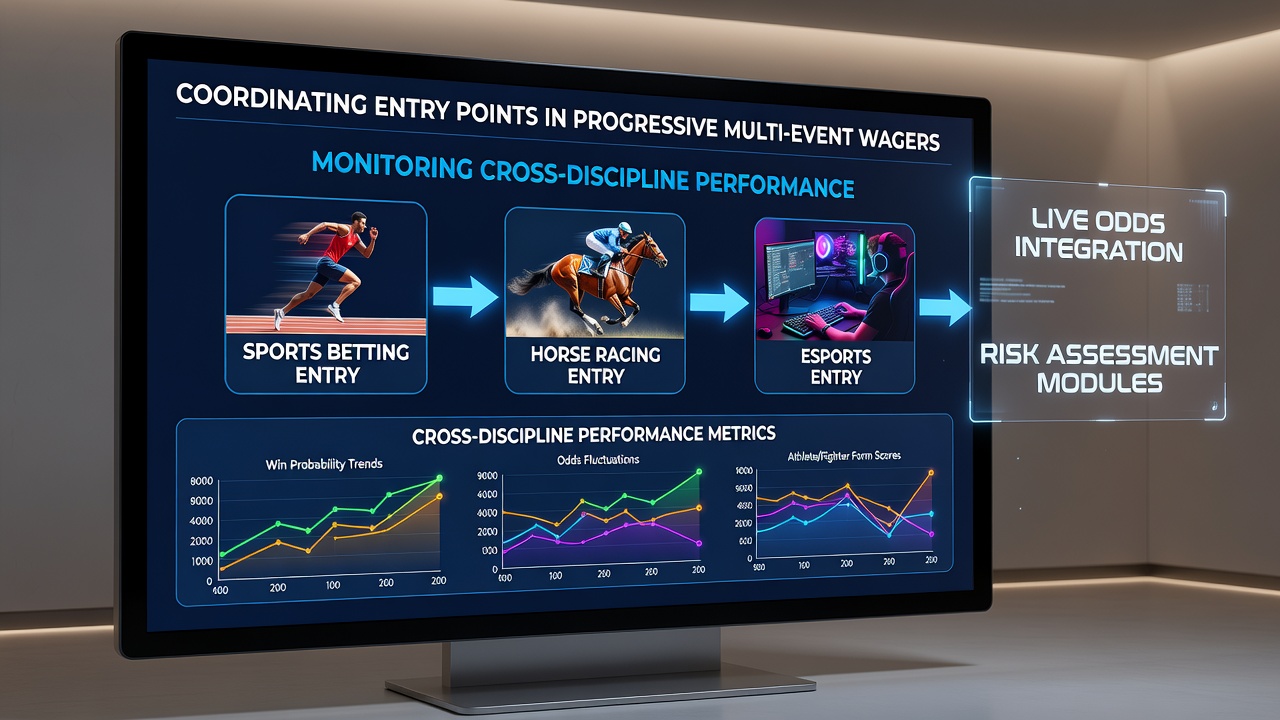
Implementation typically involves dashboards that aggregate live feeds from governing bodies and statistical providers. The process begins with baseline establishment for each discipline, followed by deviation detection that flags potential entry opportunities. Observers have recorded instances where sustained high pressing metrics in football matches aligned with strong closing sectional performance in horse races, leading to coordinated additions of tennis legs in ongoing progressive structures. Such coordination reduces exposure during periods of mismatched form across the selected events.
Integration Challenges and Data Sources
Variability in data granularity across sports presents ongoing hurdles, as tennis point-by-point records differ in resolution from aggregated football xG models or horse racing sectional databases. Regulatory filings from the Nevada Gaming Control Board detail how operators standardize these inputs for compliance and risk management, providing benchmarks that independent analysts adapt for entry coordination purposes. Nevada Gaming Control Board filings further illustrate volume trends in multi-leg products during overlapping international calendars.
Those managing larger sequences often segment monitoring into primary and secondary indicators, assigning higher weights to metrics with proven cross-sport correlations. Evidence from university-led performance studies indicates that velocity decay rates in one sport frequently precede comparable fatigue signals in another, enabling preemptive adjustments to accumulator legs. This layered verification helps maintain structural integrity when events span different time zones and formats.
Conclusion
Coordinating entry points through cross-discipline performance indicators supplies a structured method for managing progressive multi-event wagers, relying on synchronized data streams and threshold-based triggers. Continued refinement of these systems draws on expanding datasets from regulatory and academic sources, supporting more precise timing across tennis, football, and horse racing disciplines as competition calendars evolve.