Refining Multi-Sport Accumulator Models Through Integrated Preview and Live Data Analysis
Clara Washington · Aug 24, 2026
Refining Multi-Sport Accumulator Models Through Integrated Preview and Live Data Analysis
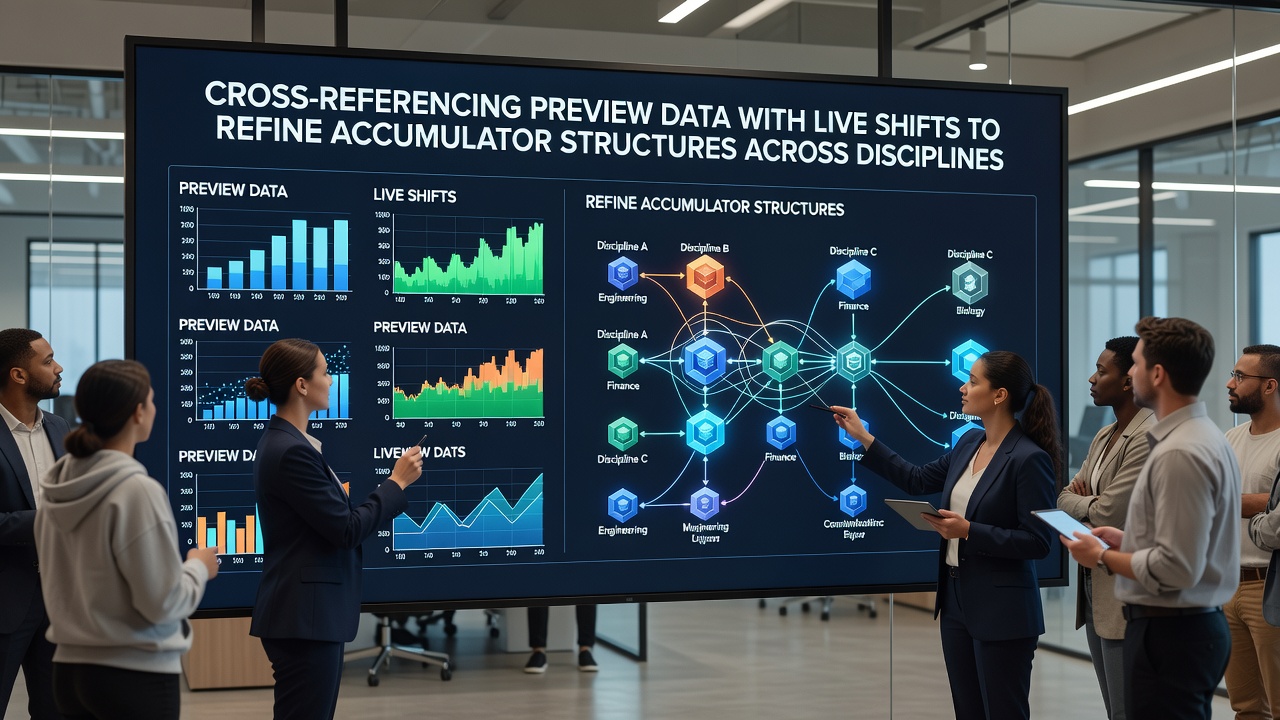
Professionals in sports analytics examine preview datasets alongside real-time adjustments to build accumulator frameworks that span football, tennis, and horse racing, while researchers track how initial forecasts combine with in-play variables to alter outcome probabilities across events. Data from multiple platforms shows that cross-referencing these elements produces structures where each leg incorporates both historical trends and current momentum indicators, and analysts note that such integration occurs through systematic comparison of pre-event metrics like team form or player fatigue wth live updates on weather conditions or injury reports.
Core Components of Preview Data Integration
Preview materials typically include statistical models built from past performances, and experts compile these into baseline projections before events begin, yet live shifts introduce variables such as sudden changes in player availability or track conditions that require immediate recalibration of the accumulator legs. Observers point out that organizations handling large datasets in August 2026 reported increased use of automated tools to flag discrepancies between preview figures and unfolding match dynamics, which allows for targeted refinements in bet combinations without disrupting the overall structure. Studies from the University of Nevada's gaming research division indicate that teams applying this method across disciplines achieve measurable alignment between projected and actual results when they merge sources like official league statistics with real-time feeds.
Those who manage accumulator portfolios often start by layering preview elements such as head-to-head records and seasonal averages, then overlay live data streams that capture momentum swings during competitions, and this process creates layered models where each added leg accounts for both static and dynamic inputs. Research indicates that disciplines like tennis benefit from live shift data on serve percentages while horse racing accumulators gain from updates on pace adjustments mid-race, and similar patterns appear in football where halftime shifts alter expected goal outputs.

Application Across Different Sporting Disciplines
Football accumulators draw on preview data covering squad depth and tactical setups, whereas live shifts such as red card incidents or weather impacts prompt immediate reevaluation of remaining legs, and analysts at the New Jersey Division of Gaming Enforcement have documented how these adjustments maintain balance in multi-leg structures. Tennis frameworks incorporate preview metrics on surface preferences and head-to-head history, yet in-play elements like break point conversions demand rapid updates that refine the accumulator by replacing underperforming selections with stronger alternatives based on current form. Horse racing presents distinct challenges where preview data on pedigree and trainer records combines with live drift or pace data, and reports from the Australian Communications and Media Authority highlight cases where cross-referencing reduced variance in long-term accumulator outcomes during the 2026 racing season.
Multi-discipline accumulators require consistent methodology to handle varying data types, so professionals develop standardized protocols that map preview indicators to live equivalents across sports, which ensures that a football goal surge or a tennis tiebreak shift receives equivalent weighting in the overall model. Evidence suggests that this approach supports scalability when operators expand from single-sport to cross-sport combinations, and case examples show that organizations testing these protocols in controlled environments recorded improved consistency in accumulator performance metrics.
Technical Processes for Data Cross-Referencing
Software platforms facilitate the comparison by pulling preview datasets into centralized dashboards and then streaming live updates through APIs, while algorithms flag significant deviations that trigger accumulator adjustments such as leg substitutions or stake reallocations. Those who implement these systems emphasize the need for timestamp synchronization between preview and live sources to avoid mismatches that could skew probability calculations, and industry reports note that August 2026 saw expanded adoption of cloud-based tools enabling real-time collaboration among analysts monitoring multiple events simultaneously. Academic papers on sports data analytics further detail how machine learning models trained on historical cross-referenced datasets improve prediction accuracy when applied to new accumulator configurations.
Conclusion
Cross-referencing preview data with live shifts establishes a framework for refining accumulator structures that functions effectively across football, tennis, and horse racing by combining static projections with dynamic inputs in a systematic manner. Organizations and researchers continue to refine these techniques through ongoing data collection and protocol updates, which supports more precise multi-leg bet constructions without reliance on any single information stream. The integration process remains central to operational practices in sports analytics environments where accuracy depends on timely and accurate data fusion.