Pace Indicators Across Pitches, Courts, and Tracks: Strategies for Multi-Sport Wager Resilience
Clara Washington · Aug 22, 2026
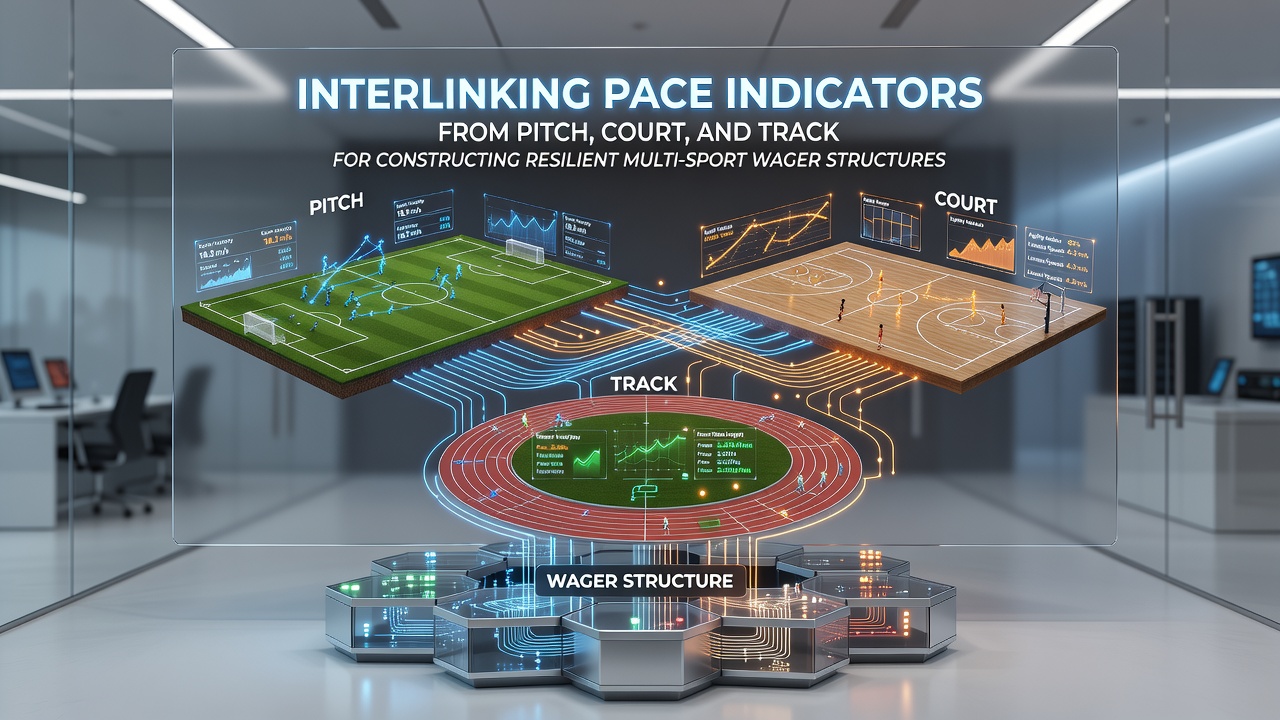
Pace Indicators Across Pitches, Courts, and Tracks: Strategies for Multi-Sport Wager Resilience
Analysts track pace indicators across soccer pitches, tennis courts, and horse racing tracks because these measurements reveal momentum patterns that support multi-sport accumulator construction. Data from major tournaments in August 2026 shows how teams and players maintain or shift their tempo, which bettors combine into structures that adjust when one event slows while another accelerates.
Soccer Pitch Pace Metrics and Their Core Components
Soccer pace indicators include high-intensity runs per minute, possession transition speed, and pressing intensity measured through player tracking systems. Researchers at sports performance centers record these figures during league matches, where teams averaging above 120 high-intensity efforts per half often sustain pressure that leads to late goals. Observers note that when a side drops below 90 such efforts, its opponent gains territory and scoring chances increase by measurable margins according to match data aggregates.
Tennis Court Tempo and Momentum Shifts
Tennis analysts measure point duration, rally length, and serve-to-return intervals to gauge court pace. Matches on faster surfaces show average point times under eight seconds, whereas clay events extend beyond twelve seconds per point in multiple studies. Those who study in-play data find that players who shorten rally times by twenty percent after the first set often force errors from opponents, creating windows for live wager adjustments within accumulators that already include soccer selections.
Horse Racing Track Pace Profiles
Track pace indicators center on sectional timing, early speed fractions, and closing speed ratios. Data from major racing festivals indicates that horses posting the fastest final three-furlong splits win at rates thirty percent above their starting prices in certain conditions. When early leaders fade by more than two seconds compared to their previous outings, late runners frequently deliver the strongest finishes, supplying the type of outcome variance that complements steadier soccer and tennis results in multi-leg bets.
Connections between these three domains appear when bettors align the tempo signals rather than treating each sport in isolation. A soccer team that maintains high pressing intensity through sixty minutes tends to mirror the sustained rally pressure seen in tennis players who control point length, while a horse that closes strongly can offset slower early sections in a way that parallels late surges in both field and court sports.

Constructing Accumulator Structures with Linked Pace Data
Betting frameworks gain resilience when operators combine pace thresholds across events scheduled on the same day. One documented approach selects soccer matches where teams exceed benchmark pressing rates, pairs them with tennis sets showing rally compression, and adds horse races featuring strong closing fractions. Figures from European sports data platforms reveal that such combinations reduce variance in overall returns compared to single-sport accumulators because each leg draws from independent but rhythmically related performance layers.
August 2026 schedules feature overlapping fixtures where morning tennis sessions conclude before afternoon soccer fixtures begin, followed by evening racing cards. This timeline allows sequential monitoring of pace shifts, where an early tennis result showing shortened points can prompt adjustments to soccer selections that favor high-tempo pressing sides. Industry reports from the European Gaming and Betting Association note similar timing patterns improve live adjustment accuracy across multiple markets.
Case Examples from Recent Seasons
Take one accumulator that linked a Premier League side averaging 115 high-intensity runs with a tennis player posting sub-nine-second points and a racehorse closing in the top two sectional times. The structure returned positive when each element followed its established pace profile, even though individual legs varied in margin. Another combination adjusted mid-card after a tennis match extended rally lengths, prompting replacement of a slower-pressing soccer side with one maintaining higher tempo metrics.
Academic work from university sports analytics departments, including studies published through MIT Sloan Sports Analytics Conference proceedings, demonstrates how cross-sport tempo correlations strengthen when data windows align within four-hour blocks. These findings support the construction of wager structures that treat pace as a transferable variable rather than a sport-specific constant.
Conclusion
Interlinked pace indicators from pitches, courts, and tracks supply measurable inputs for multi-sport wager structures that adapt across changing conditions. Data patterns recorded through 2026 confirm that combining these signals produces frameworks where individual sport fluctuations offset one another, allowing operators to maintain structural balance while monitoring live tempo shifts in real time.